Best Solar System Installers: Specialist Technicians Ensure Efficient Setup Of Photovoltaic Systems For Your Home
Website Assessment and Preparation
Unearthing the Possible: Why Site Evaluation Matters
Imagine standing on your roofing, eyes tracing the path of the sun throughout the day. Just how much sunlight does that spot actually absorb? This question lies at the heart of an extensive website evaluation. Before a single panel touches the shingles, experts dive deep into understanding the unique qualities of your area. It's not practically space; it has to do with sunlight, shading, tilt, and even the microclimate around your home.
Think about a next-door neighbor's imposing oak tree casting dappled shadows by afternoon. Those fleeting shadows may appear harmless, however for solar panels, they can considerably reduce efficiency. So, how do installers identify if your site is a solar goldmine or a shaded risk?
Key Consider Website Analysis
- Sunlight Direct Exposure: Determining the amount of direct sunshine your roofing receives daily, representing seasonal modifications.
- Roofing Orientation and Tilt: South-facing roofs typically indulge in the most sun, but east and west orientations can also work well depending on your energy needs.
- Shade Analysis: Recognizing close-by trees, structures, or chimneys that might cast shadows at vital times.
- Structural Stability: Validating your roof can support the weight of photovoltaic panels without risk.
- Readily available Area: Identifying locations devoid of blockages that maximize panel placement.
Preparing Your Website: More Than Simply a Clean Slate
Preparation is where the magic begins. Believe of it as setting the stage for a sun-powered symphony. Before installation, roofs typically require minor repairs or reinforcements to guarantee longevity and safety. Have you discovered a loose shingle or more? Now's the time to repair those imperfections.
Ground installations take a various route. Clearing vegetation, leveling surface, and sometimes setting up fundamental assistances end up being needed steps. It's interesting how each website tells its own story, requiring a tailored method rather than a one-size-fits-all technique.
List for Effective Website Preparation
- Inspect roofing or ground area for damage or instability.
- Trim or remove obstructive trees and branches.
- Clear debris and tidy surface areas to improve panel adherence.
- Strategy cable television routing and inverter positioning with future upkeep in mind.
- Verify permits and local standards before breaking ground.
By welcoming a meticulous site assessment and preparation stage, house owners lead the way for a smooth installation, optimized energy output, and long-term fulfillment. After all, isn't the goal to harness every possible ray of sunlight?
Panel Mounting: Anchoring Efficiency
Every inch counts when protecting photovoltaic panels. Envision a gust of wind testing your installation's resolve; a lightweight mount spells catastrophe. The secret lies in choosing the right mounting system, customized not simply to the roofing system type however likewise to the panel's dimensions and weight. Asphalt shingles? Metal roofing? Flat or pitched? These aspects determine the hardware and anchoring method.
One often neglected information is the torque applied to installing bolts. Too tight, and you run the risk of cracking the panel frame; too loose, and the entire setup wobbles under tension. Pro tip: use an adjusted torque wrench and follow maker torque specs religiously. This tiny action can extend the life expectancy of your selection dramatically.
Kinds of Mounts and Their Peculiarities
- Flush installs hug the roofing system, decreasing wind resistance but making complex electrical wiring gain access to underneath.
- Pole mounts permit simple panel rotation, optimizing sun tracking but demand robust foundations to avoid sway.
- Rail installs offer flexibility during installation and upkeep however include weight and intricacy.
Picking the mounting system is like picking the right shoes for a marathon-- convenience and toughness need to go together.
Circuitry: The Lifeblood of Your Solar Array
Circuitry doesn't simply connect panels; it dictates system efficiency and security. The very first trap many installers fall under is ignoring voltage drop over long cable television runs. This quiet burglar silently steals power before it reaches the inverter.
To combat this, utilize thicker gauge wires for longer distances. A fast guideline: keep voltage drop listed below 3% for optimal efficiency. Oversizing conductors may seem elegant however pays dividends in dependability.
Professional Circuitry Tips
- Always utilize UV-resistant, outdoor-rated cables to hold up against extreme weather condition and sunlight direct exposure.
- Implement proper strain reliefs at connection indicate prevent wire tiredness and eventual failure.
- Label every cable meticulously during setup-- future repairing copyrights on clearness.
- Make sure all connections are tight and corrosion-free; even a little loose terminal can trigger intermittent faults.
Ever discovered how a single loose wire in a chain can lower an entire system? Solar wiring demands the very same regard. It's not simply about connecting points A to B; it's about safeguarding the entire energy flow.
Balancing Act: Series vs. Parallel Electrical wiring
Deciding between series or parallel circuitry setups can feel like browsing a labyrinth. Series wiring increases voltage however keeps current constant, useful for long cable runs. Parallel wiring increases current while keeping voltage stable, beneficial when shading affects some panels.
| Electrical wiring Type | Voltage Impact | Present Impact | Finest Use Case |
|---|---|---|---|
| Series | Increases voltage | Consistent current | Long cable runs, inverter voltage matching |
| Parallel | Constant voltage | Boosts current | Partial shading, lower voltage systems |
System Testing: The Crucial First Step
Think of flipping the turn on your freshly set up photovoltaic panel system and hearing silence where there ought to be a hum of energy. This minute underscores why system screening is not just a rule but a lifeline. Testing validates that Solar Panel Estimates every panel, inverter, and wiring connection runs harmoniously, capturing those subtle problems that can prowl beneath the surface area.
Secret testing procedures include:
- Insulation resistance testing: Ensures electrical wiring integrity, avoiding hazardous leakages or shorts.
- Efficiency ratio evaluation: Compares anticipated versus real output to find underperformance early.
- String voltage and current checks: Confirms each solar string functions without inconsistency.
Never ever underestimate the worth of an extensive visual evaluation along with electronic diagnostics. A loose connector or small shading may leave digital sensing units however can maim effectiveness.
Commissioning: Breathing Life into the Installation
Commissioning transforms a checked variety into a living, breathing energy source. This stage involves the steady stimulating and combination of the solar panel system with your home or grid, ensuring security and performance at every step.
Image the commissioning process as a symphony conductor tuning instruments before the performance-- each element needs to line up completely.
Vital actions to bear in mind:
- Confirmation of system grounding: To safeguard against electrical faults.
- Functional testing of safety gadgets: Such as rise protectors and disconnects.
- Monitoring system response: Examining how the system performs under differing sunlight conditions.
Insider Tips for Flawless Testing and Commissioning
| Pointer | Expert Insight |
|---|---|
| Utilize an adjusted IV curve tracer | Spots panel deterioration unnoticeable to standard multimeters. |
| Test during midday | Makes the most of solar irradiance, exposing true system efficiency. |
| File all baseline information | Helps with future troubleshooting and warranty claims. |
Why Cutting corners on This Phase Can Cost You
Avoiding or rushing system screening and commissioning is like developing a bridge and never ever inspecting its foundation. Faults concealed in the wiring or inverter can result in energy losses that silently bleed your investment gradually. Worse, unnoticed faults pose safety threats that could ignite fires or trigger pricey equipment damage.
Have you ever saw your solar meter spinning slower than anticipated but shrugged it off? That's the quiet thief of performance. Comprehensive testing and commissioning do not simply validate performance-- they ensure your solar financial investment performs at its peak, day after sunlit day.
Security Measures and Finest Practices for Photovoltaic Panel Setup
Envision climbing onto a roofing system, the sun blazing overhead, solar panels in hand, and the wind teasing your balance. Sounds thrilling? However, the rooftop is a phase where one mistake could lead to major harm. That's why security precautions are not simply rules-- they're lifelines.
Basic Precaution to Focus On
- Harness and Fall Defense: Never undervalue the power of a well-secured harness system. Falls stay the leading cause of injury in solar setups, so buying top-tier fall arrest devices isn't optional-- it's vital.
- Electrical Safety: Photovoltaic panel create electricity the moment sunshine touches them. Always detach the system at the source before touching circuitry. Keep in mind, even a small trigger can ignite a large threat.
- Weather condition Awareness: Slippery roofs after rain or icy mornings can turn a regular job into a hazardous venture. Check weather conditions diligently before scheduling installation.
- Proper Footwear: Non-slip, tough boots can be the unsung heroes of a safe installation day. They provide grip and ankle assistance, lowering the opportunity of slips and sprains.
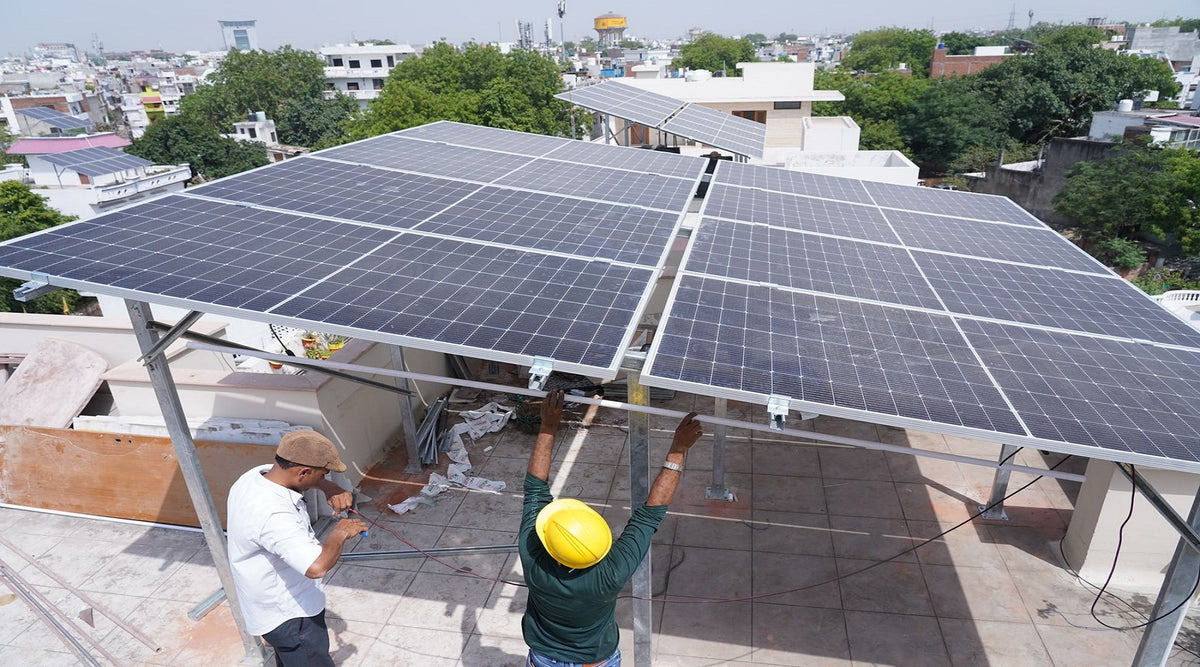
Expert Tips for Safe and Efficient Setup
One skilled solar installer once shared a nugget of knowledge: "Constantly plan your panel design before you step onto the roofing system. Mapping out each move minimizes time invested stabilizing precariously." This recommendations highlights how preparation minimizes direct exposure to danger.
- Pre-Installation Survey: Stroll the website to recognize risks like loose shingles or unstable surface areas.
- Tool Organization: Usage tool belts and magnetic trays to keep equipment within reach and prevent hazardous journeys backward and forward.
- Pal System: Operating in sets is a simple yet efficient strategy. A partner can offer immediate support and an additional set of eyes on prospective risks.
- Use of Insulated Tools: To avoid unintentional shocks, constantly use tools with correct insulation when handling electrical elements.
Understanding the Hidden Threats
Lots of ignore the subtle dangers of photovoltaic panel installation-- the strain on your back from awkward lifting angles, or the sun's glare triggering brief loss of sight. Being conscious of these can prevent lingering injuries and accidents.
| Risk Aspect | Mitigation Strategy |
|---|---|
| Handbook Handling Injuries | Usage mechanical lifts or ask for support when putting panels. |
| Heat Fatigue | Schedule work throughout cooler parts of the day and stay hydrated. |
| Electrical Arc Flash | Validate seclusion of circuits and wear flame-resistant clothes. |
By embedding these best practices into every phase of installation, the risk of accidents drops drastically. Why gamble with your health when a few specialist moves can make the task both safe and effective?
Comments on “Solar Technicians Near Me: Comprehending Solar Panel Installation Permits and Guidelines”